Clients and partners order on their own, at any time. Orders go straight into your ERP, and your team has time to sell.
We build online shops, B2B ordering platforms, and client and partner portals. The client logs in, sees their own prices and stock, checks the status of an order or job and downloads the invoice without calling a salesperson. We launch the first version in 7 to 10 weeks.
Online shop, B2B ordering and portals in one system
Mockups for approval before any code is written
Integrations with the systems and apps you already use
A team that stays after implementation
Every order passes through the hands of someone on your team
Someone retypes shop orders into the ERP, and mistakes in items and addresses start once volume grows.
Distributors order by e-mail or phone, and the salesperson retypes orders into the system instead of selling.
Stock in the shop and in the warehouse drifts apart, so sometimes you sell goods you do not have.
A client asks about order status, and the answer means checking in three places.
Price lists exist in several versions, and nobody knows which partner has which.
A client who wants to order in the evening or at the weekend waits until Monday or buys from a competitor.
Each of these costs hours of work or lost sales. A platform takes over order handling. Your team gets back to clients.
How much does manual order handling cost you today?
The numbers are examples for a company that sells online and serves a few dozen regular clients or partners. Untick what does not apply to you and set the hours your whole team spends on it each month.
- 100 h / month
- 80 h / month
- 50 h / month
- 30 h / month
- 40 h / month
- 30 h / month
Manual work in the selected processes
330 hours a month
that is 2 full-time jobs
Cost per year
PLN 237,600
PLN 19,800 a month
What the app changes
- An order from the shop, the B2B platform or the portal goes into the ERP on its own, with its items and client details.
- The client checks the status in the portal or in their shop account, with no calls or e-mails.
- Clients and partners see their own price list, discounts and current warehouse stock.
- Stock and prices stay in sync between the shop, the B2B platform and the ERP.
- Clients download invoices, specifications and documents themselves whenever they need them.
- Clients see their balance in the portal, and reminders go out automatically.
A rough estimate. In the assessment we calculate it with your company data.
What changes when clients order on their own
Sales around the clock
Clients and partners order in the evening and at the weekend, without waiting for a salesperson.
Orders without retyping
An order from the shop, the B2B platform or the portal is in the ERP and the warehouse right away. Nobody retypes it or mixes up items and addresses.
More sales without new hires
The same team handles more orders, because order handling no longer depends on the number of calls and e-mails.
Everyone sees their own prices and stock
Price lists, discounts and payment terms are assigned to each client or partner, and stock comes straight from the warehouse. You get fewer questions and complaints.
Fewer calls and e-mails
Statuses, invoices and documents are in the portal, available at any time.
Head office sees the whole picture
Sales from all channels, orders and partner results are in one report.
Let's check how much work a system can take over in your company. Book a free assessment.
Book a free assessment
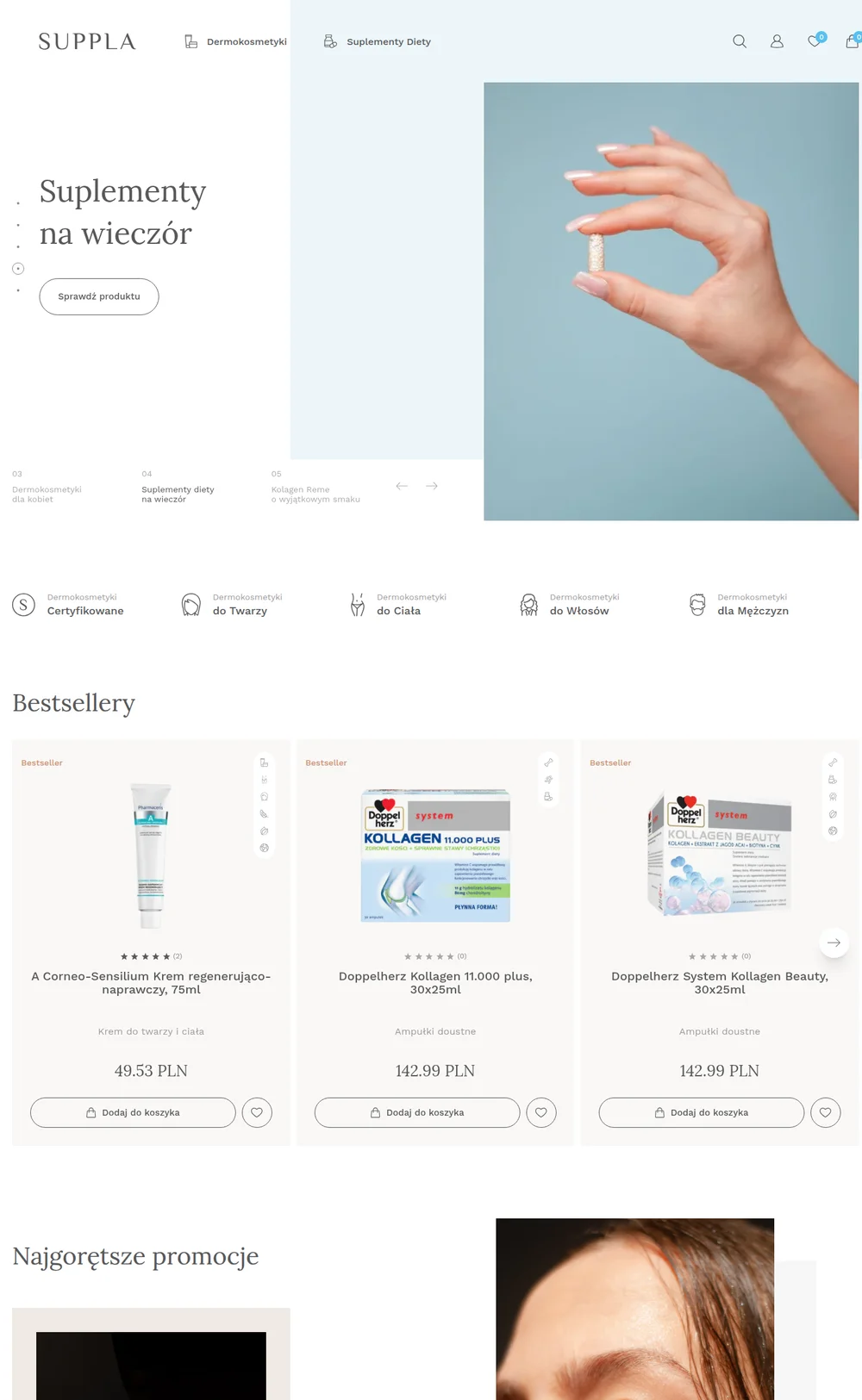


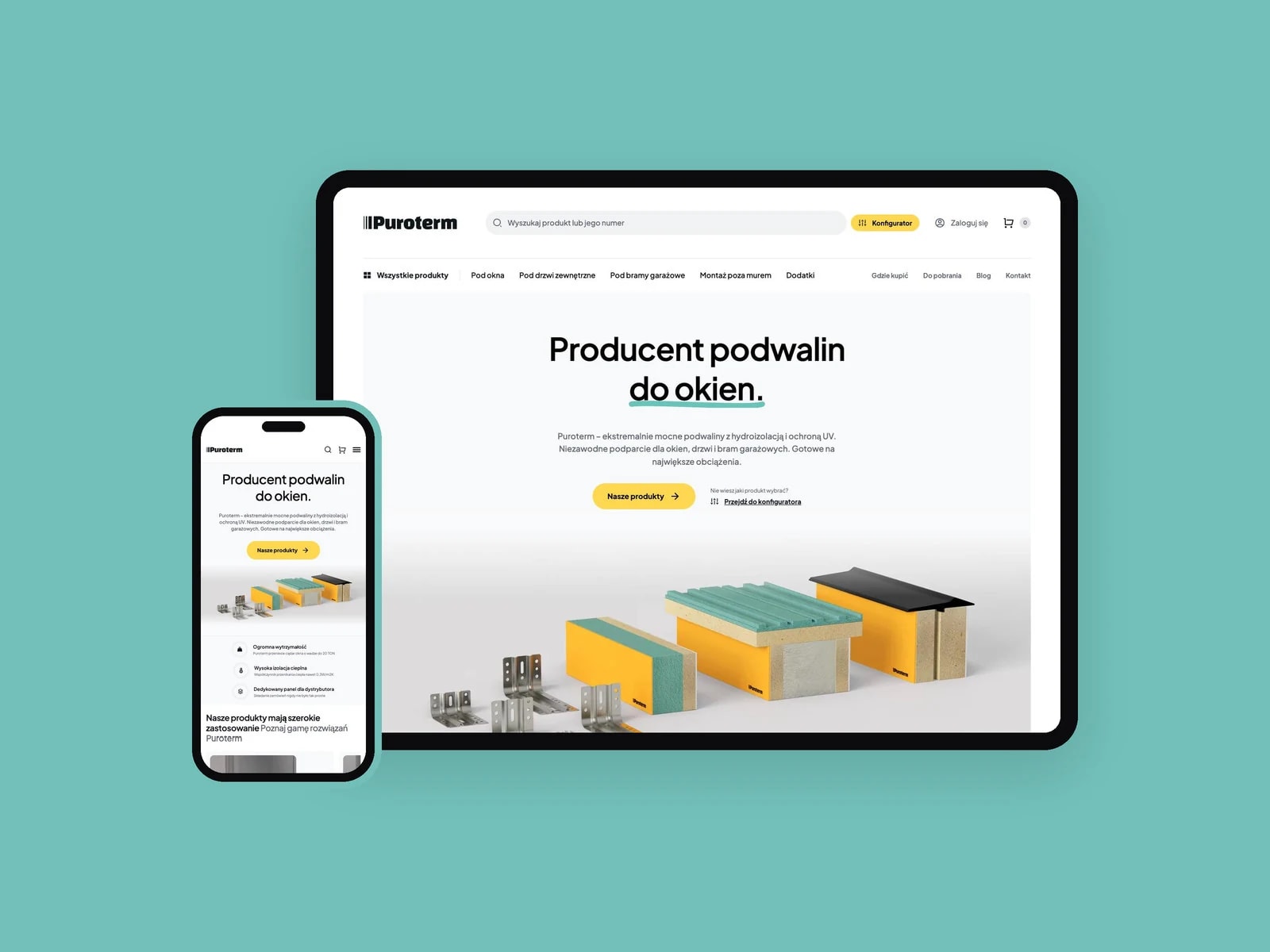
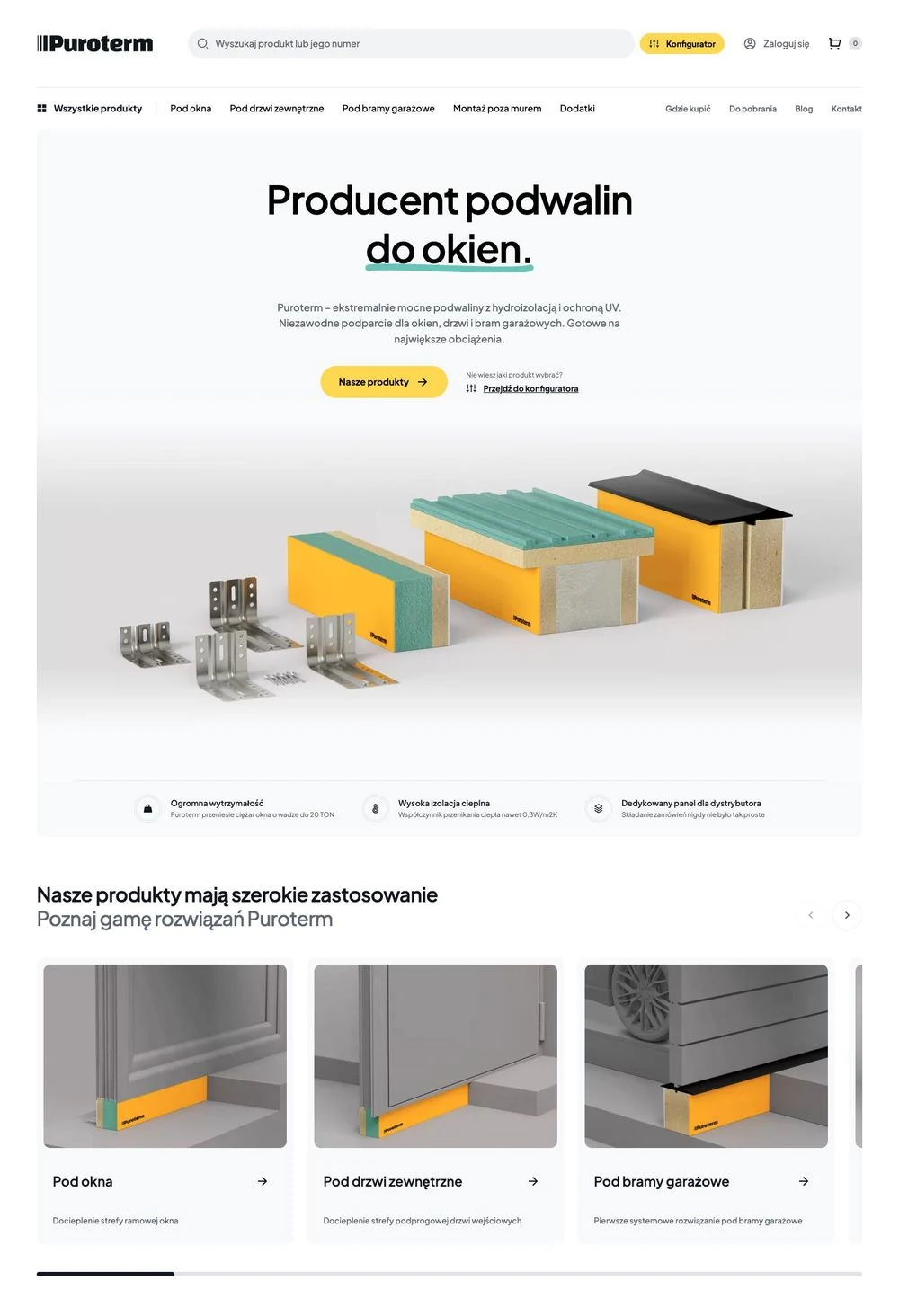


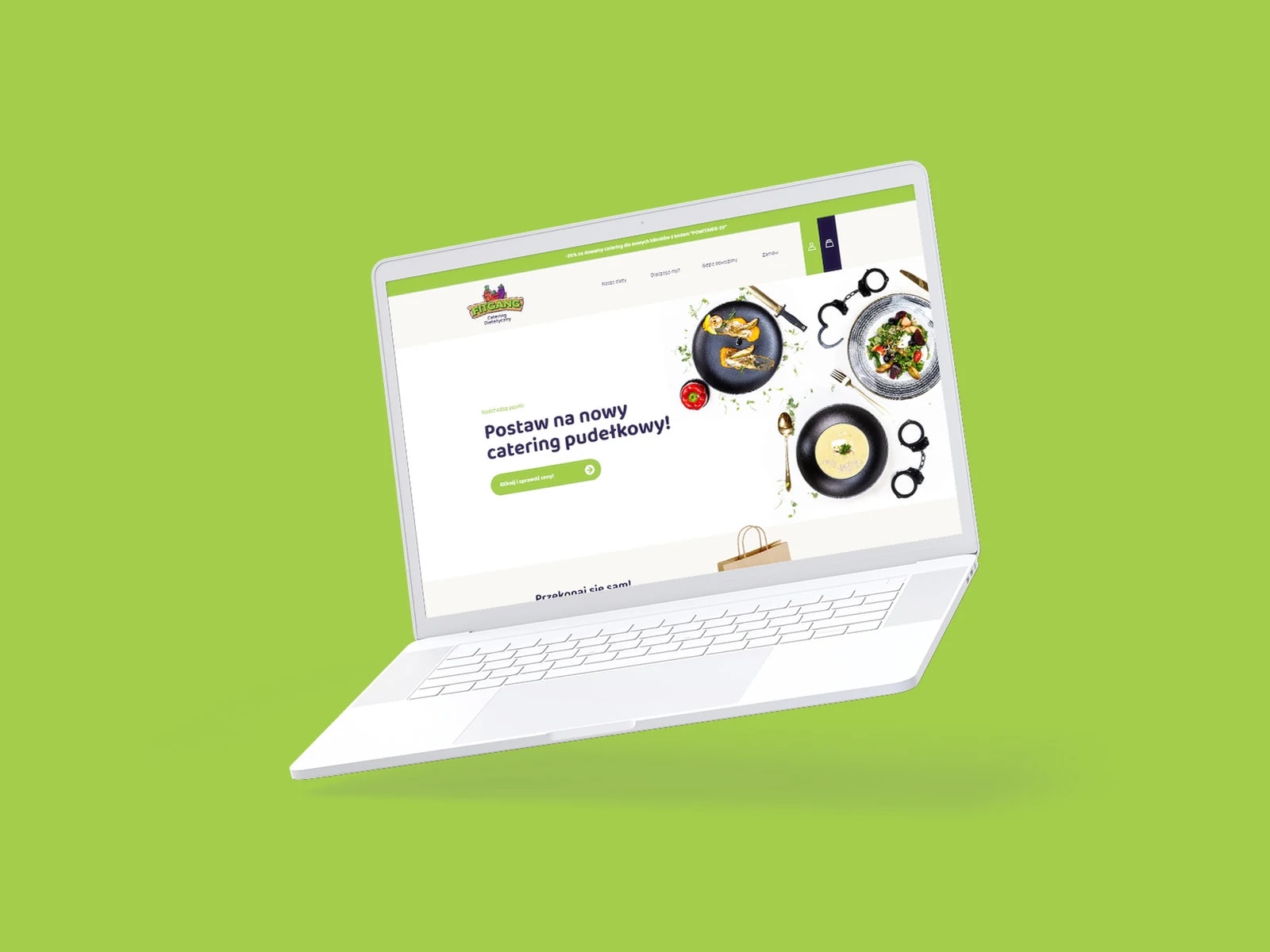
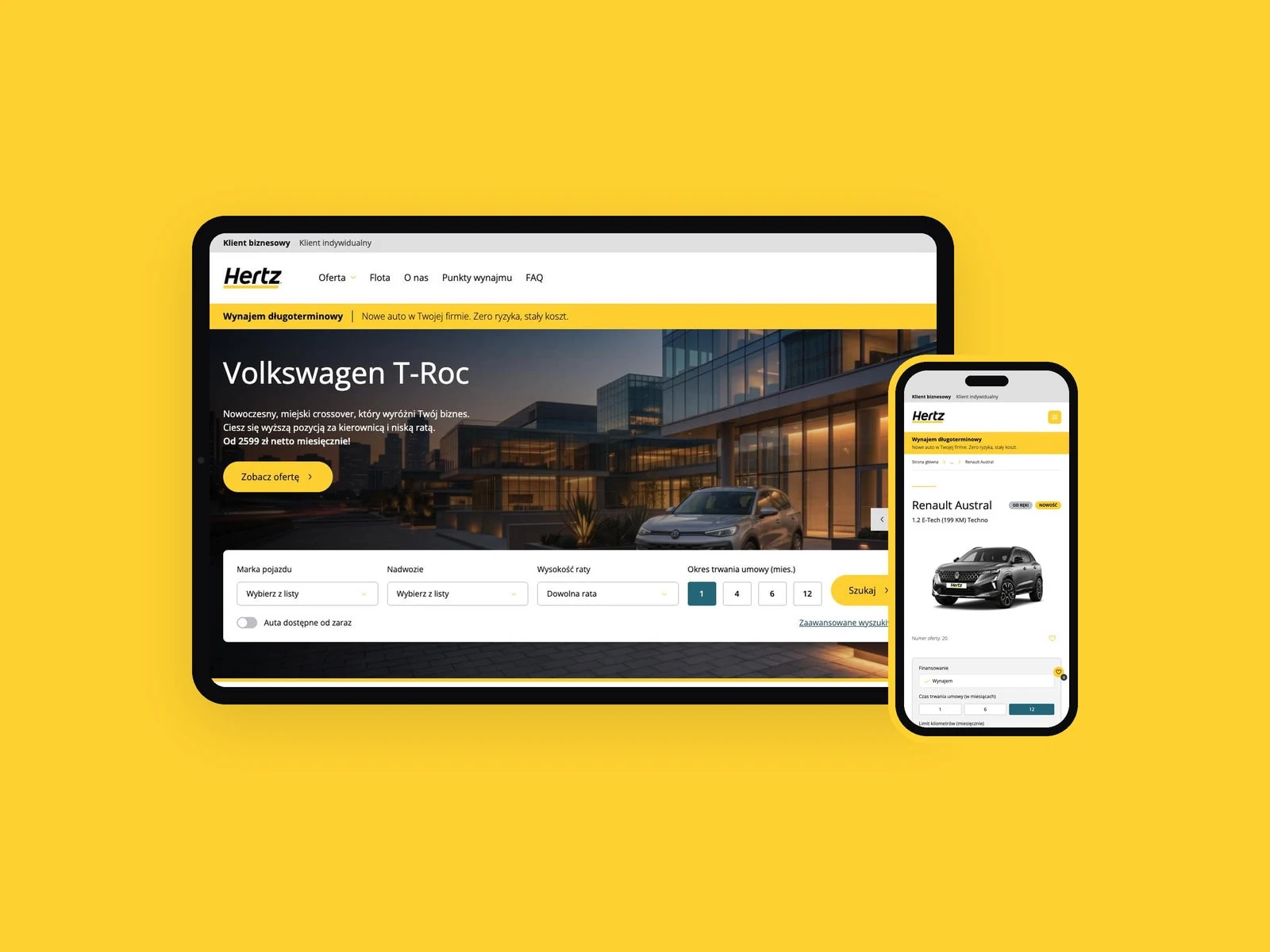

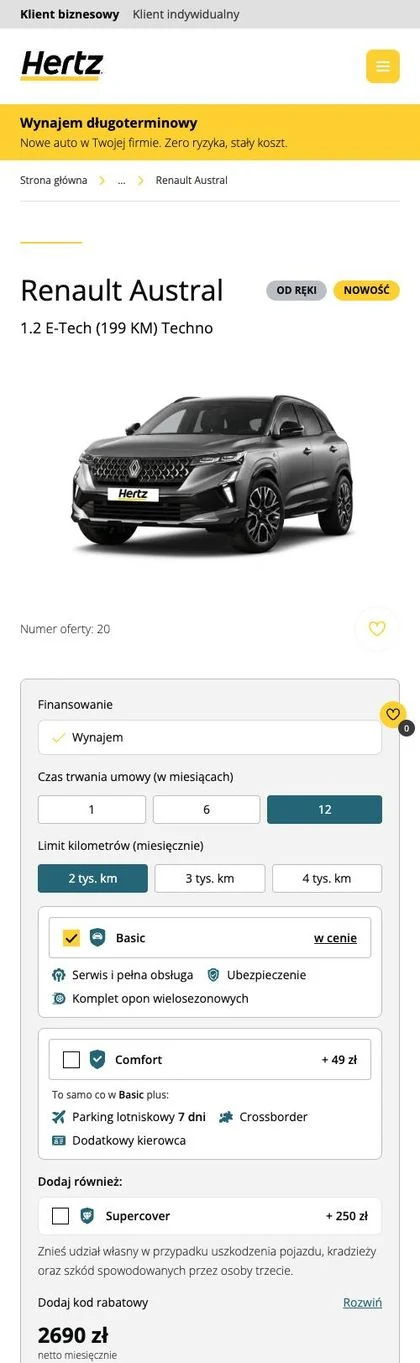

Online shop, B2B ordering and portals in one system
Online shop
Problem
The shop runs separately, and orders, stock and invoices have to be moved into the ERP and warehouse by hand.
Result
A shop on Shopify, WooCommerce or built from scratch is connected to the ERP, warehouse, payments and couriers. An order goes straight to fulfillment, and stock is always up to date.
B2B ordering platform
Problem
An order from a business is a process: an individual price list, a quote approved by a salesperson, a credit limit, branches with their own permissions.
Result
The trading partner logs in, sees their prices and stock, orders on deferred payment terms or uploads an order from a file, and the salesperson only handles unusual orders.
Client portal
Problem
Clients call and write about the status of an order or job, an invoice, documents and deadlines.
Result
The client logs in, sees orders and jobs, statuses, invoices and documents, and files a complaint without calling. It also works for service companies that do not sell online.
Partner and sales network portal
Problem
Distributors, dealers or franchisees work with different tools, and head office cannot see their results.
Result
Everyone works on a shared platform with price lists, materials, leads from head office, orders and reports.
Do you sell through several channels and want to connect your shop with the warehouse, couriers and accounting?
IntegrationsAI in the app
The platform can have AI built in. It answers clients’ and partners’ questions about orders, documents and products based on their data, prepares product descriptions, and turns orders from e-mails and files into ready orders in the system.
- Assistant for clients in the portal
- Orders from e-mails and PDFs
- Product descriptions from data
How we work together
Free assessment
We talk about how your team works today and find where manual work takes the most hours. After the assessment you get a preliminary quote.
Scope and contract
We write down in documentation what will be built, in what order and by when. We plan the implementation stages from that.
Mockups for approval
Before any code is written, you click through the system’s screens in your browser and send your comments. Developers start once you approve the design.
Staged implementation
We build the system in stages. You check progress on a test server and accept the whole system before launch.
Support after launch
The subscription covers hosting, security, updates and team hours for development. The system is looked after by the same people who built it.
After launch, you are not left alone with the system
5 developer hours every month
A new report, an extra field, a new user role or a fix in an integration. We make small changes without separate quotes and orders.
Server, hosting, domain and SSL
You do not have to look for hosting or keep track of certificates. The app runs on our infrastructure.
Test server
You check every change on a copy of the app before users see it.
Agreed response time
You report an outage with one e-mail and know in advance how quickly the team will deal with it.
Backups, monitoring and reports
A daily off-server backup and round-the-clock monitoring. Once a month you get a report on the work done and how the system is running.
Starts only after launch
During the build you pay only for the implementation. The subscription starts after the app is accepted.
How we price the work
You get a preliminary quote in the assessment. We calculate the final price after writing up the scope, from the number of screens, integrations and user roles. That amount does not change during the build.
Get a quote- 01
Implementation
Building the system within the scope written up after the assessment.
Fixed price
- 02
Subscription after launch
Hosting, security and team hours for changes and development.
Monthly subscription
This offer is not for companies that are happy with a shop built from a ready-made template and not connected to the ERP, warehouse or other systems.
Progress preview
You click through finished screens on the test server during the build, without waiting for the end.
Acceptance of the whole system
You check the complete system on the test server. You collect comments for 10 working days and send them in one list.
New ideas along the way
We add them after launch, within the subscription hours or as another stage.
Quote based on the work involved
Every part of the scope has the team hours it needs. You see where the amount comes from.
What clients ask us
before they decide
The questions we hear most often in the first conversation.
If ordering can be described as a catalog, a cart and a price list, a shop is enough, also for companies with individual prices. If an order is a process with approvals, limits, configuration and schedules, you need a platform. Many clients start with a shop and move ordering to a platform after a year or two, with no data loss.
On Shopify when a quick start and selling abroad matter, on WooCommerce for non-standard integrations and B2B sales, and from scratch when the shop is part of a larger system. We will help you choose in the assessment.
Yes. First we do a technical review, then we develop the shop or portal under a subscription and connect it to the ERP and warehouse.
No. The amount agreed after the scope write-up holds until the system is accepted. If an idea for a new feature comes up along the way, we quote it separately.
On the work involved. After the assessment and the scope write-up we calculate the team hours needed for each screen, integration and user role. After launch there is a monthly subscription, under which we maintain and develop the app.
Small and medium changes: new fields, reports, statuses, fixes in integrations, new roles. We quote larger features separately or spread them over several months of the subscription.
We are. A Tamago developer writes and understands the code, and every change goes through tests on the test server and your acceptance before users see it. You get a warranty on the system.
Your company does. We transfer the intellectual property rights (economic copyright) to you, and the data on clients, orders and price lists belongs to you.
Yes, if the system has an API or a data export. We have built integrations with Comarch, WAPRO, Subiekt, Otomoto and payment gateways many times. We agree the scope of integrations at the documentation stage.
Native mobile apps and systems that require medical or banking certification. If your project is not a fit for us, we will tell you in the first conversation and suggest where to look.
Usually 7 to 10 weeks from the start of work to launch. Larger systems with several integrations take longer, and you get the exact schedule together with the quote.
Find out how many hours a week your team loses to retyping data
Book a free assessment. We will go through your process, point out the work a system can take over and show you where to start.